HVAC Systems That Stop Wasting Energy
Air Sealing & Energy Efficiency in Tyndall for buildings losing conditioned air through structural gaps and envelope penetrations
Uncontrolled air leakage through cracks, gaps, and building penetrations forces heating and cooling equipment to run longer cycles while failing to maintain consistent indoor temperatures. Mighty Mo Foam Co. performs air sealing and energy efficiency improvements in Tyndall using spray foam to close leakage points at rim joists, wall penetrations, attic bypasses, and other envelope failures where outdoor air infiltrates unchecked. You see the impact in reduced utility bills, fewer temperature swings between rooms, and HVAC equipment that reaches setpoint without constant operation.
The process involves identifying the largest leakage sites through visual inspection or blower door testing, then applying spray foam to seal gaps where different building materials meet, around plumbing and electrical penetrations, and at transitions between conditioned and unconditioned spaces. This targets the specific points where air leakage occurs rather than simply adding insulation over gaps that continue to pass airflow.
Schedule an energy assessment to locate specific air leakage points affecting your building's performance.
Why Air Leaks Happen and How to Stop Them
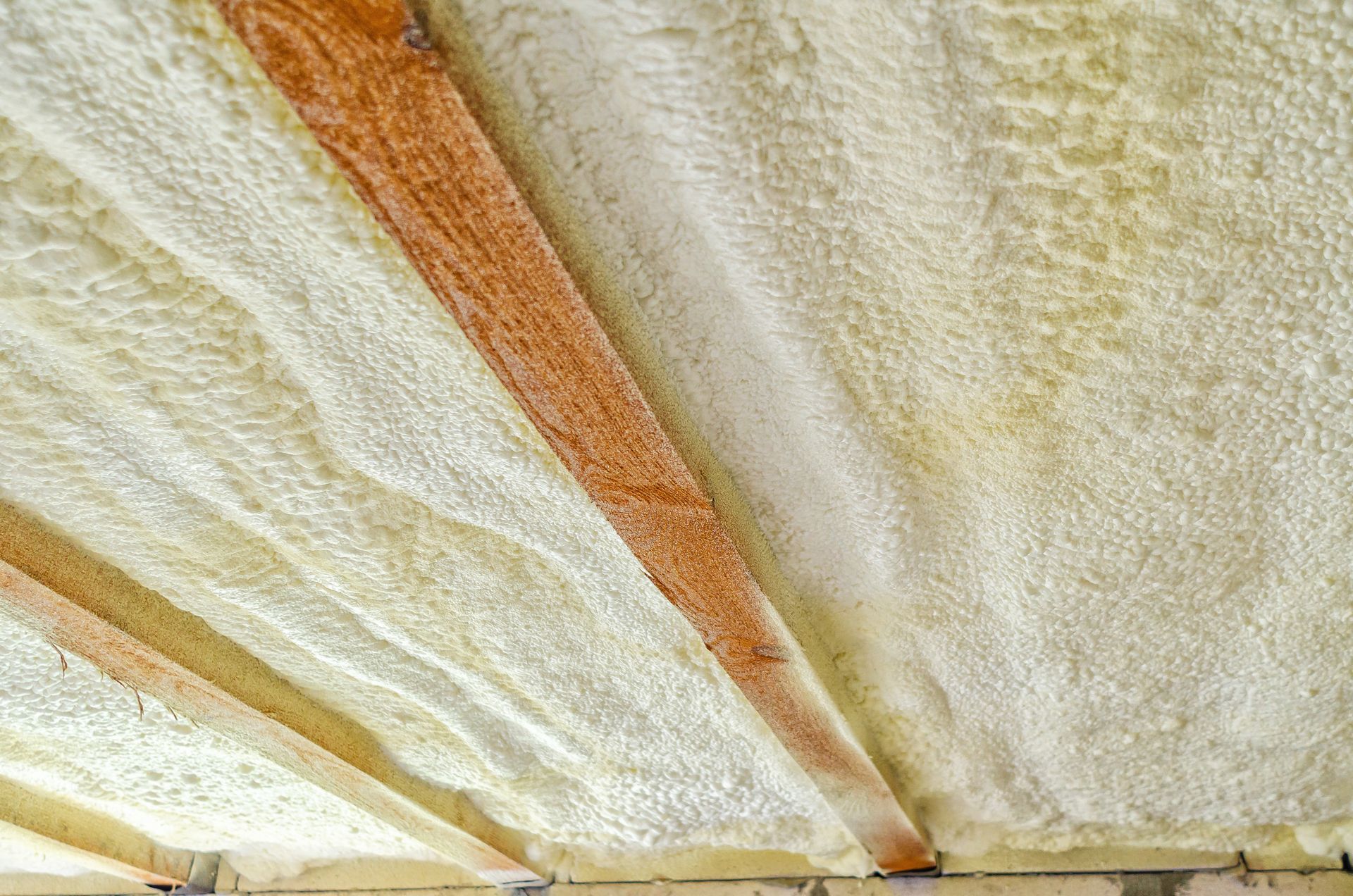
Air sealing focuses on stopping convective heat loss, which occurs when warm indoor air escapes through ceiling and wall gaps and pulls cold outdoor air in through foundation and lower-level openings. Spray foam blocks this stack effect by creating an airtight seal at rim joists, around recessed lights, at attic hatch perimeters, and where plumbing stacks penetrate floors. The foam expands into irregular gaps that caulk or weatherstripping cannot fill, forming a permanent barrier that maintains its seal across temperature fluctuations and building movement.
After air sealing, your furnace or air conditioner cycles less frequently because conditioned air remains inside the building envelope instead of escaping through structural gaps. Rooms that previously felt drafty maintain stable temperatures, and upper floors no longer overheat in summer while lower levels stay cold. HVAC efficiency improves measurably because the system works against a sealed envelope rather than continuously replacing air lost through leakage, which shows up as lower energy consumption on utility bills.
The service seals gaps and reduces unwanted air infiltration but does not replace HVAC system upgrades, ductwork sealing, or window replacement if those components also contribute to energy loss. Proper air sealing creates a more comfortable interior environment by eliminating drafts and temperature stratification, though results depend on how thoroughly leakage sites are identified and sealed during the work.
What Property Owners Usually Ask
Questions about air sealing and energy efficiency typically focus on how the work differs from adding insulation and what changes homeowners can expect after completion.
What is the difference between air sealing and adding insulation?
Insulation slows heat transfer through building assemblies, but it does not stop airflow through gaps and cracks—air sealing blocks the movement of air itself, which carries heat far more efficiently than conduction through insulated walls or ceilings, making sealing often more impactful than R-value improvements alone.
How do you identify where air leaks are occurring?
Visual inspection reveals obvious gaps at rim joists, around windows, and at attic penetrations, while blower door testing quantifies total leakage and helps locate hidden bypasses where air escapes through concealed pathways in wall cavities or floor assemblies.
Why does South Dakota climate make air sealing particularly important?
Tyndall experiences significant indoor-outdoor temperature differentials during both winter and summer, which increases stack effect pressure driving air leakage and makes any unsealed gap a more substantial source of energy loss than in milder climates with smaller temperature swings.
What happens if too much air sealing makes the building too tight?
Proper air sealing targets uncontrolled leakage through structural gaps while preserving intentional ventilation through bath fans, range hoods, and fresh air intakes, ensuring indoor air quality remains acceptable without the energy penalty of random infiltration through building defects.
When should air sealing be completed relative to other energy upgrades?
Sealing leaks before adding insulation ensures that insulation performs to its rated R-value without convective airflow bypassing the thermal barrier, making air sealing the logical first step in most energy efficiency improvement sequences.
Mighty Mo Foam Co. identifies and seals air leakage points that compromise energy efficiency and comfort across residential, commercial, and agricultural buildings. Request an air sealing evaluation to determine where your property is losing conditioned air and what improvements will deliver the greatest impact.