Ground Stabilization for Challenging Site Conditions
Geotechnical Spray Foam Solutions in Tyndall for projects requiring void filling and soil stabilization support
Geotechnical applications involve using specialized spray foam to fill voids beneath slabs, stabilize shifting soils, and provide structural support in environments where traditional fill materials cannot be placed or compacted effectively. Mighty Mo Foam Co. delivers custom geotechnical spray foam solutions in Tyndall for projects facing subsurface voids, erosion concerns, or load-bearing requirements that demand lightweight, rapid-curing fill materials. These applications serve construction sites, infrastructure projects, and remediation work where soil conditions create stability challenges.
The process begins with a professional project assessment to identify void locations, load requirements, and site access constraints. Foam is injected through small-diameter ports drilled into slabs or directly into subsurface voids, where it expands to fill irregular spaces and cures into a rigid mass that distributes loads and prevents further settling. The material's expansion characteristics allow it to reach areas inaccessible to pumped grout or compacted aggregate.
Request a detailed project evaluation to assess site-specific void filling and stabilization requirements.
What Geotechnical Foam Applications Accomplish
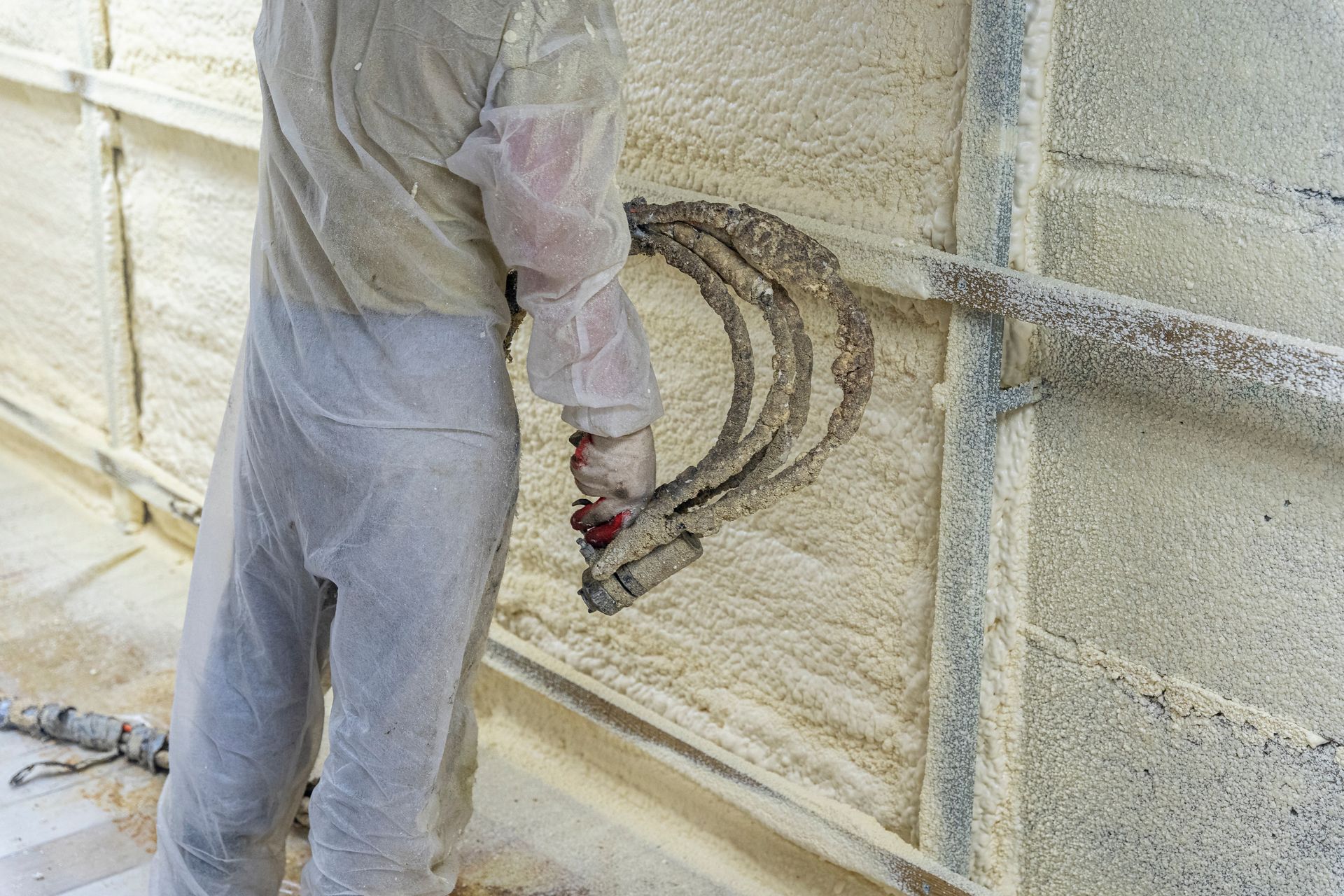
Geotechnical foam installation involves precision injection techniques calibrated to subsurface conditions, void geometry, and required compressive strength. The foam's density and expansion ratio are adjusted based on whether the goal is filling loose voids, lifting sunken slabs, or creating load-bearing support beneath foundations. Application methods vary significantly depending on soil type, moisture content, and whether the work addresses preventive stabilization or active failure remediation.
Once cured, the foam creates a stable mass that stops further soil movement and supports overlying structures without adding significant weight to underlying soils. Sunken slabs return to grade, voids beneath pavements no longer propagate cracking, and erosion-prone areas gain structural reinforcement that resists washout. The lightweight nature of cured foam means it does not overload weak soils the way dense concrete or compacted stone might, making it useful in situations where additional weight would worsen settlement.
These solutions address ground stabilization and void filling but do not replace deep foundation systems, comprehensive soil remediation, or drainage infrastructure where water management drives ongoing erosion. Each project receives a customized approach based on geotechnical conditions, access limitations, and performance expectations specific to the site.
Answers to Frequent Service Questions
Clients considering geotechnical foam applications often have questions about how the material performs compared to traditional grouting or compaction methods.
What types of projects use geotechnical spray foam?
Applications include filling voids beneath concrete slabs, stabilizing soils under roadways or airport runways, reinforcing embankments prone to erosion, and providing lightweight fill in areas where heavy materials would cause additional settlement or structural loading concerns.
How does spray foam compare to mud jacking or polyurethane grouting?
Geotechnical foam expands more predictably than traditional mud jacking slurries and cures faster than cementitious grouts, allowing quicker return to service and better void penetration in irregular subsurface spaces where flowable fill cannot reach.
Why is lightweight fill important in certain geotechnical situations?
Adding heavy fill materials to weak or saturated soils can induce further settlement, while foam provides structural support and void filling without increasing load on underlying soils, making it appropriate for challenging ground conditions common in certain Tyndall area soil profiles.
What site assessment happens before foam injection?
The evaluation identifies void depth and extent, determines soil bearing capacity, checks for groundwater presence, and confirms access for injection equipment to ensure foam placement will achieve the required stabilization without migration into unintended areas.
How long does geotechnical foam take to cure and bear load?
Most formulations cure within minutes to hours depending on temperature and thickness, allowing rapid project completion and return to service compared to days-long curing times required for traditional grouting or concrete replacement methods.
Mighty Mo Foam Co. evaluates each geotechnical project individually to determine whether foam applications will meet performance goals and site constraints. Arrange a site consultation to discuss project-specific requirements and stabilization objectives.