
Attics and Walls That Hold Temperature
Residential Insulation in Tyndall for homes with uneven heating and excessive energy consumption
Midwest winters expose insulation deficiencies when second-floor bedrooms stay cold despite a furnace running constantly or attic frost accumulates on sheathing because warm air leaks through ceiling penetrations. Mighty Mo Foam Co. installs insulation in attic floors, wall cavities, crawl spaces, and ceiling assemblies where thermal barriers are missing or inadequate, addressing the building envelope gaps that allow conditioned air to escape and outdoor temperatures to penetrate living areas. The work applies to older homes that were built with minimal insulation and newer construction where builders need consistent thermal performance before interior finishes are installed.
Installation targets specific areas based on heat loss patterns identified during evaluation—attic insulation prevents rising warm air from escaping through the top of the structure, wall insulation stops lateral heat transfer through vertical surfaces, and crawl space insulation isolates the building from cold ground temperatures that conduct through foundation elements. Each application uses material and thickness appropriate to the space constraints and exposure conditions in that part of the home.
Request a detailed estimate based on your current insulation levels and which areas show the greatest energy loss.
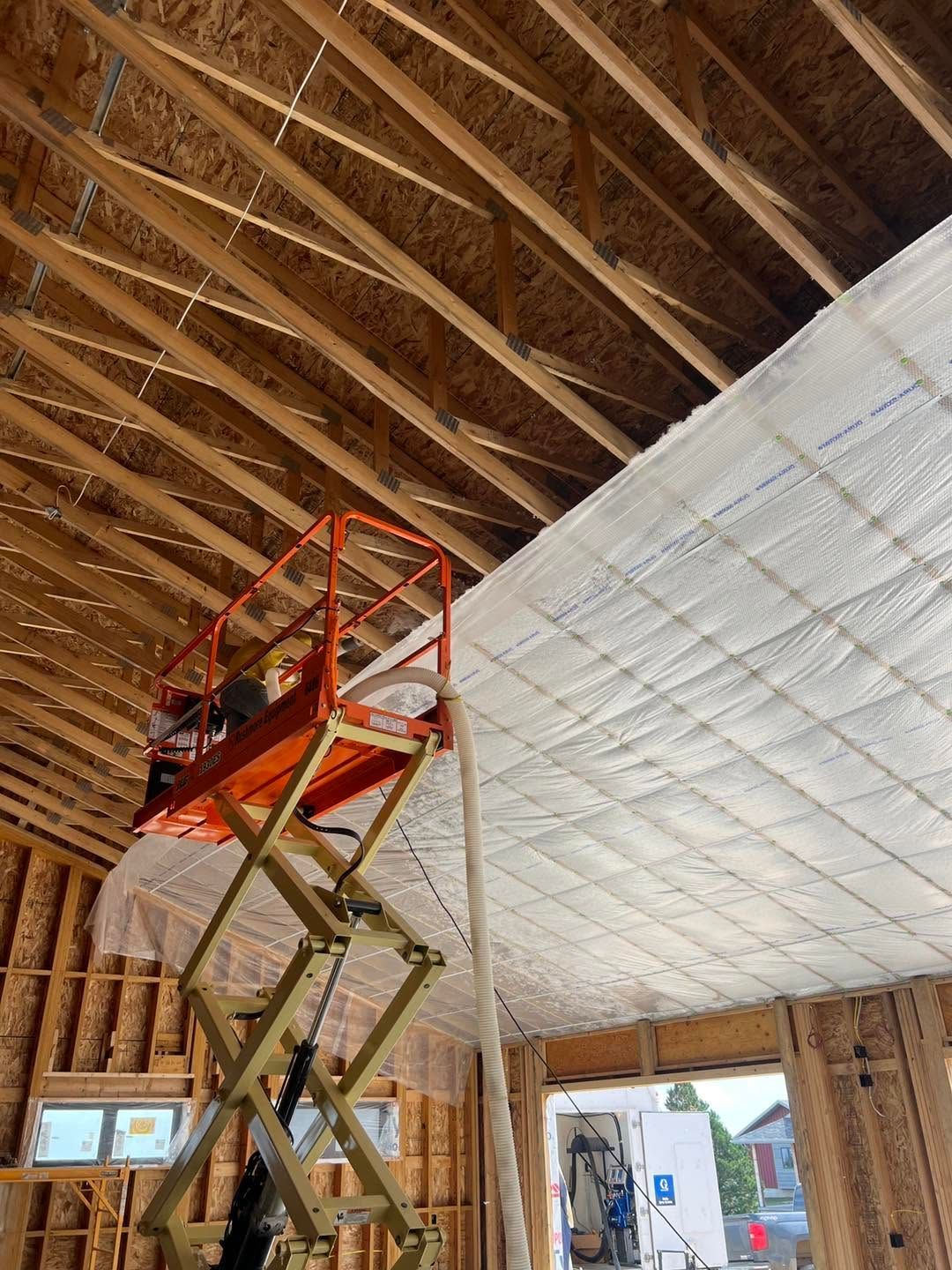
What You Notice Once Insulation Is Finished
Proper residential insulation creates consistent surface temperatures on interior walls and ceilings, eliminating the cold spots that form near exterior corners and the radiant heat that makes upstairs rooms uncomfortable during summer afternoons. Mighty Mo Foam Co. ensures material fills cavities completely and achieves the thickness necessary to meet thermal resistance targets for South Dakota climate conditions, which involve months of below-freezing outdoor temperatures and significant temperature swings between day and night.
You recognize the improvement when bedrooms reach comfortable temperatures faster after thermostat adjustments and when frost stops forming on attic sheathing because heat no longer migrates through ceiling assemblies into unconditioned spaces. Heating equipment cycles less frequently, and utility bills decrease because the furnace maintains set temperatures without compensating for continuous heat loss through the building envelope.
The installation does not address air leakage around windows, doors, or other penetrations unless you combine it with separate air sealing work. Insulation slows conductive heat transfer through solid materials but does not stop air movement—homes with significant drafts benefit from weatherization measures that seal gaps before or during insulation installation to maximize energy savings.
Common Questions About This Service
Homeowners in Tyndall considering insulation work usually ask about material selection, access requirements, and how the installation affects daily routines.
What insulation material works best in attic spaces?
Blown insulation conforms to irregular joist spacing and covers areas around roof trusses where batts would leave gaps, achieving consistent depth across the attic floor without compressing around obstacles or leaving voids that reduce thermal performance.
How is insulation installed in walls without removing interior finishes?
Installers drill access holes through exterior sheathing or interior wall surfaces to blow material into closed cavities, then plug the openings and match the surrounding finish—this approach works when wall cavities are empty and framing provides clear paths for insulation to fill the space from top to bottom.
When does crawl space insulation make sense?
Homes with cold floors above crawl spaces or frozen pipes in exterior walls benefit from insulating foundation walls or the underside of the floor system, depending on whether the crawl space is vented or conditioned as part of the home's thermal envelope.
How does existing insulation affect the installation?
Installers remove damaged or compressed material that no longer provides adequate thermal resistance, then install new insulation to current code requirements—leaving deteriorated material in place wastes the effort of adding new layers on top.
What happens to furniture and belongings during the work?
Attic insulation typically requires no interior disruption beyond keeping access hatches clear, while wall insulation may involve moving furniture away from exterior walls if interior access is necessary for drilling and filling cavities.
Mighty Mo Foam Co. provides insulation solutions tailored to your home's construction and the specific areas where thermal performance needs improvement. Schedule a property evaluation to identify which insulation upgrades will reduce energy waste and improve comfort throughout your living spaces.