
Stopping Heat Loss Before Winter Arrives
Attic Insulation in Tyndall for homes losing conditioned air through ceiling gaps and roof penetrations
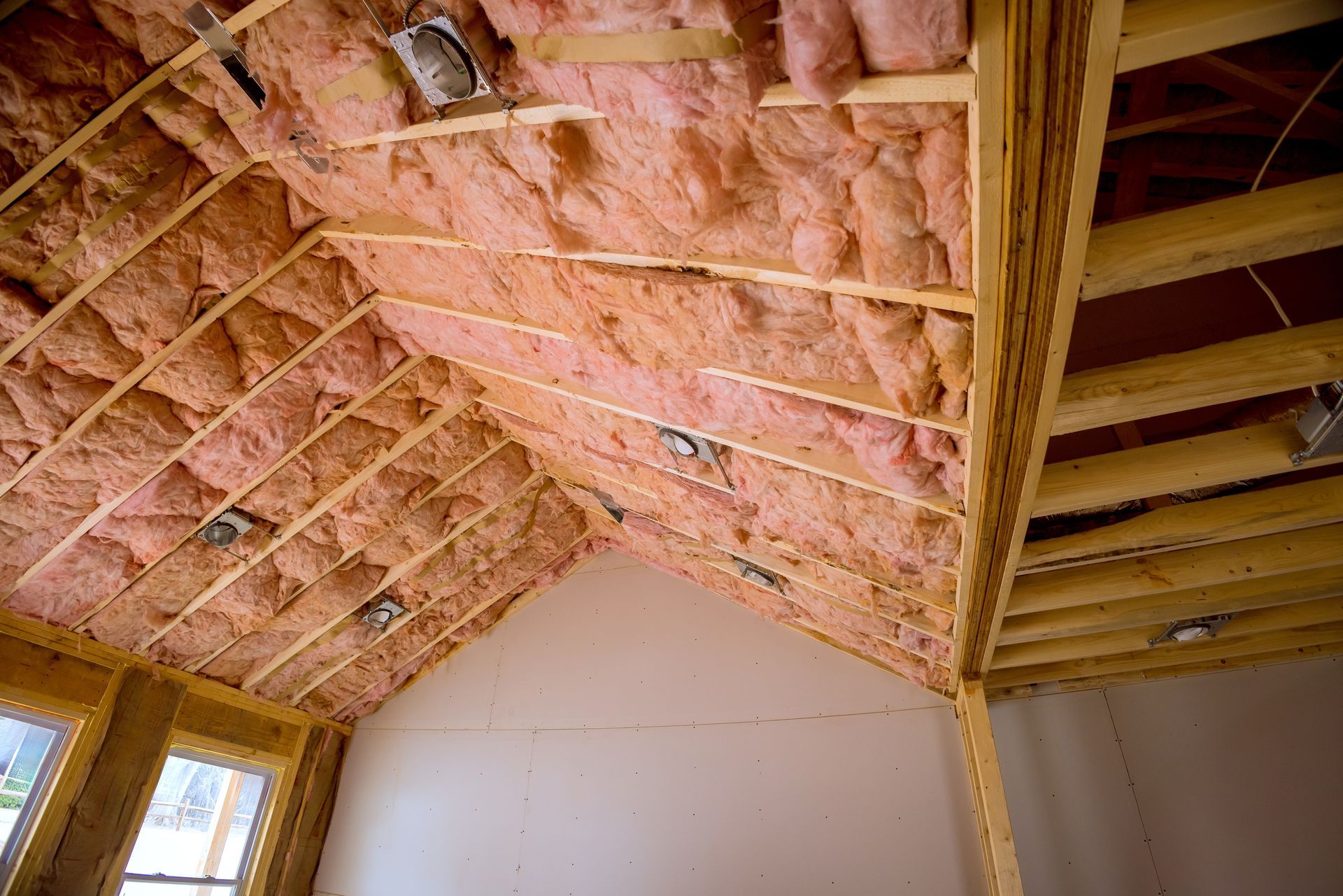
Mighty Mo Foam Co. installs spray foam attic insulation in Tyndall that seals air leaks around ceiling penetrations, recessed lights, plumbing stacks, and electrical boxes where traditional insulation leaves gaps. The work addresses both new attic builds and retrofit applications in existing homes where heat escapes through the roof deck during winter months and radiates down through inadequate coverage during summer. South Dakota temperature swings make these unsealed gaps around penetrations a primary source of wasted energy and uneven indoor temperatures.
The process involves applying spray foam directly to the underside of the roof deck or attic floor joists, creating a continuous thermal barrier that also functions as an air seal. Unlike batt or blown insulation that settles over time and leaves voids around irregular framing, spray foam expands to fill gaps and adheres to surfaces, blocking airflow at the exact points where conditioned air typically escapes.
Schedule a property evaluation to identify specific attic air leakage points and insulation coverage needs.
What Proper Attic Sealing Requires
Spray foam application in attics requires preparation work that includes identifying roof penetrations, checking for adequate attic ventilation if using open-cell foam on the attic floor, and ensuring roof sheathing is dry before encapsulation. The foam bonds to wood, metal, and existing framing, creating a seal that stops air movement at the building envelope while maintaining structural R-value performance across varying outdoor temperatures.
After installation, you notice immediate changes in how your HVAC system cycles—furnaces and air conditioners run shorter periods because conditioned air stays inside the living space instead of migrating through ceiling gaps into unconditioned attic areas. Upper-floor rooms maintain more consistent temperatures, and drafts around ceiling fixtures disappear. The attic itself may become warmer in winter or cooler in summer depending on whether foam was applied to the roof deck or attic floor, reflecting where the thermal boundary now sits.
The work covers new construction attics where foam is installed before drywall and retrofit projects in existing homes where old insulation is removed or supplemented. Application methods vary based on whether the goal is to condition the attic space itself or isolate it from living areas below, and decisions about open-cell versus closed-cell foam depend on moisture considerations and target R-values.
Questions Before Starting Your Attic Project
Homeowners in Tyndall often ask about spray foam attic work before committing to the project, particularly regarding how the process differs from traditional insulation methods and what changes to expect.
What happens to existing attic insulation before spray foam is applied?
In most retrofit cases, old batt or blown insulation is removed from areas receiving foam to allow proper adhesion to roof sheathing or floor joists, though some projects involve supplementing existing insulation in specific zones rather than full replacement.
How does spray foam handle South Dakota winter temperature extremes?
Closed-cell spray foam maintains its R-value and air sealing properties across the temperature range Tyndall experiences, from subzero winter nights to summer attic heat, without settling or degrading the way fibrous insulation can when exposed to moisture or compression.
What preparation is required before installation?
The attic must be accessible for equipment, roof leaks need repair before foam application, and any electrical or HVAC work planned for the attic should be completed first since accessing wiring or ductwork becomes more difficult after foam encapsulation.
Why do some attics get foam on the roof deck while others get it on the floor?
Applying foam to the roof deck brings the attic inside the conditioned envelope, which is useful when HVAC equipment or ductwork sits in the attic, while floor application isolates the attic as unconditioned space, keeping heat and cooling focused on living areas below.
What does air sealing around penetrations actually accomplish?
Sealing gaps around recessed lights, plumbing vents, and wire penetrations stops stack effect airflow where warm indoor air escapes through the ceiling and pulls cold outdoor air in through lower-level gaps, eliminating the convective loop that makes rooms feel drafty even when insulation R-value seems adequate.
Mighty Mo Foam Co. provides attic assessments that identify specific leakage points and insulation deficiencies before installation begins. Request a detailed estimate based on your current attic condition and energy efficiency goals.